AI Infrastructure Insights: Build Stable Multi-Model Production Architecture
Building reliable commercial AI services relies on solid underlying infrastructure. Many startup teams focus only on implementing basic model calls in the early stage and ignore long-term architecture planning. As user traffic grows, problems such as unstable model access, unbalanced load and uncontrollable service risks gradually emerge.
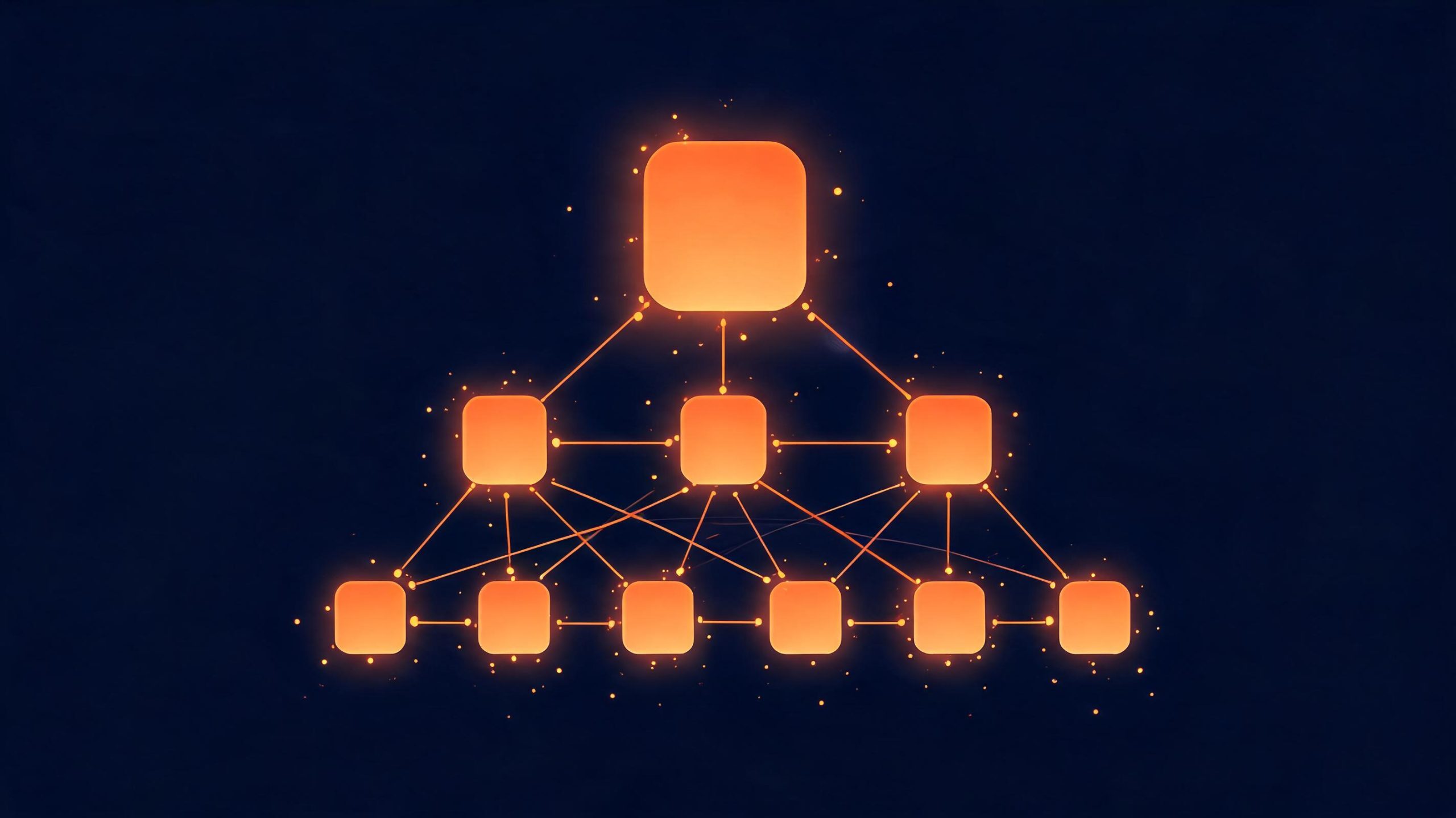
A reasonable multi-model architecture takes the unified LLM gateway as the core hub. All client requests converge to the gateway uniformly before being distributed to corresponding model services. This layered mode decouples front-end applications and model endpoints, bringing huge convenience for subsequent maintenance and function expansion.
Discuss enterprise AI architecture design, troubleshoot deployment obstacles and exchange industry experience with fellow developers in our official Discord community: https://discord.gg/j8fF7eBufd
When designing AI infrastructure, you need to think about multiple dimensions: traffic peak coping, abnormal fault isolation, resource cost control and operation observability. Simple direct connection between programs and models cannot support continuous stable operation in production scenarios. Without intermediate forwarding layers, every application needs to repeatedly develop adaptation, retry and monitoring logic.
If you require one-on-one technical support for your multi-model infrastructure deployment, contact us through our Telegram official business account: https://t.me/RouteAI_Business
Fault isolation is a critical part of enterprise-level AI architecture. If one model node fails, the impact should be limited to a small range instead of triggering a full-service crash. Through routing control, automatic switching and flow restriction rules provided by the gateway, you can prevent single model anomalies from spreading to the whole system.
Cost optimization also cannot be ignored in infrastructure design. Different models have distinct charging standards and performance characteristics. With the scheduling capability of the gateway, you can distribute requests to appropriate models according to scene requirements, balancing response quality and token consumption.
Standardized monitoring system is essential for long-term operation. Complete latency tracking, error statistics and token consumption records allow engineers to quickly locate performance bottlenecks. You can actively adjust scheduling strategies before user complaints occur, rather than passively repairing failures after service abnormalities.
Excellent AI infrastructure pursues scalability. When new large models are launched or business modules expand, the overall framework does not need large-scale reconstruction. You only need to add new configuration rules on the gateway to complete capacity expansion, greatly reducing the reconstruction cost of iterative upgrades.
